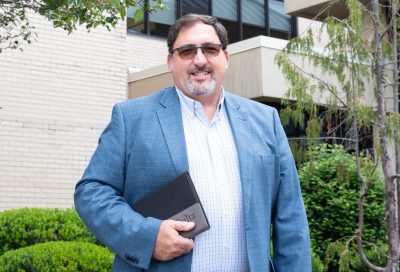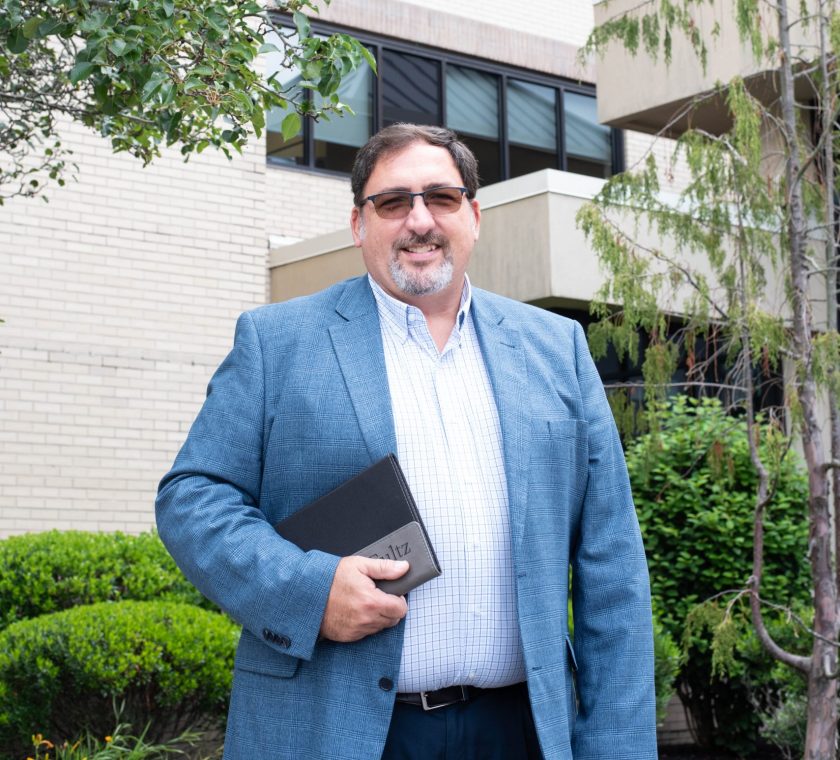
Thanks to a grant from the McElhattan Foundation, patients, visitors, and staff at UPMC Northwest now have access to dedicated spiritual care through a full-time chaplain.
Pastor Mark Fultz joined UPMC Northwest in July 2026, bringing more than 35 years of ministry experience to the role. The position was created to provide spiritual assistance to patients, visitors, and employees during some of life’s most challenging moments.
Fultz holds a master’s degree in Pastoral Care and Counseling from Ohio Christian University and is the Senior Pastor of Evangelistic Tabernacle Ministries in Cooperstown. He also serves as Critical Incident Stress Management (CISM) Team Lead for the Emergency Medical Management Cooperative (EMMCO).
“I felt called to this ministry,” said Fultz. “This work brings pastoral care directly to the bedside, offering compassion, comfort, and dignity to those who may be struggling physically and emotionally.”
The chaplain’s ministry extends beyond patients and visitors to include hospital staff. As UPMC Northwest’s CISM coordinator, Fultz is an essential part of the response team available to employees following traumatic incidents, offering a calm presence and spiritual guidance.
Fultz also hopes to build stronger ties between UPMC Northwest and local congregations, creating new connections that can benefit patients and families beyond their time in the hospital.
“We have more than 100 churches in Venango County,” he said. “By building stronger relationships with local faith communities, we can help patients and families stay connected to sources of encouragement both inside the hospital and beyond its walls.”
Chief Nursing Officer and Vice President of Patient Care Services Kristen Maguire said the chaplain program reflects UPMC Northwest’s commitment to compassionate, patient-centered care.
“We are grateful to the McElhattan Foundation and Northwest Hospital Foundation for recognizing the importance of spiritual care at our hospital,” she said. “This program strengthens our commitment to patients and staff by creating meaningful connections that uplift those in need.”
For Fultz, the role is ultimately about helping people find comfort, reassurance, and steadiness when they need it most.
“Patients are often facing uncertainty,” he said. “Faith is a constant.”